Acorn BBC Micro Model B
Acorn Computers Limited released the BBC Micro Model B as the fully equipped version of its BBC Microcomputer series, featuring 32K RAM, a full suite of I/O ports, and a design that became central to British computing in education and industry.
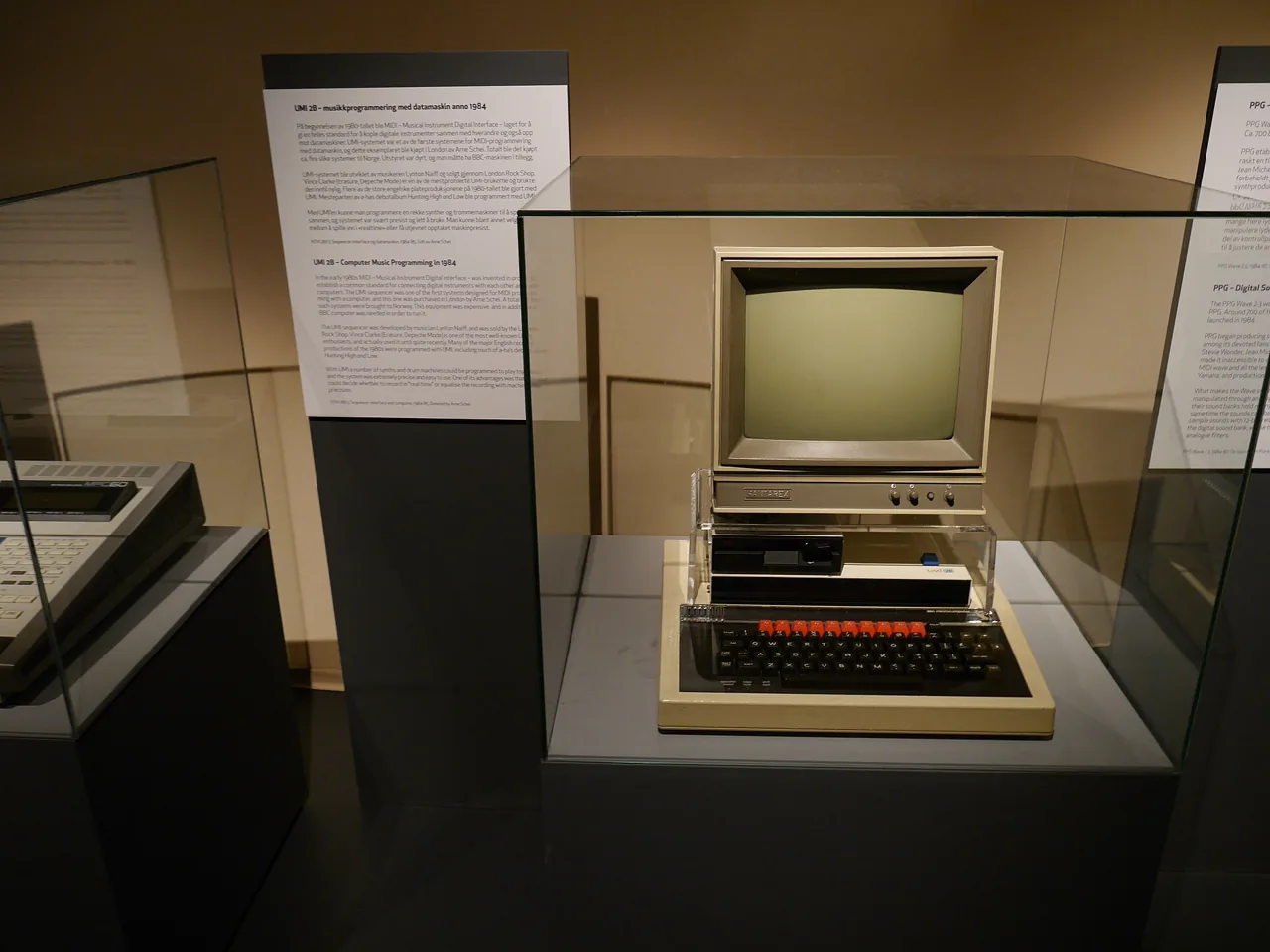
The BBC Micro Model B differed from its sibling, the Model A, by including 32K RAM, double the 16K of the base model, and by populating all peripheral ports, making it the de facto standard for serious use9. While the Model A could be upgraded to Model B specifications by adding missing components to the motherboard, most institutions opted for the complete system, which launched at £335 before rising to £399 by January 1982 due to increased production and component costs5. The BBC’s endorsement and price approval highlighted its role as a nationally backed computing initiative, not simply a consumer product5.
Under the hood, the Model B ran on a 2 MHz 6502A processor, though documentation also lists the 65C02 as a component21. Memory architecture included 32K RAM2. The system ROM comprised 16K for ACORN BASIC 2 and 16K for the Machine Operating System2. A 6845SP was listed as a component1. The video subsystem supported eight distinct display modes, including 2-colour, 4-colour, and 16-colour options2.
The video subsystem offered exceptional flexibility for its time, supporting everything from high-resolution 640×256 2-colour graphics (Mode 0) to a dedicated Teletext mode (Mode 7) at 40×25 characters2. Outputs included UHF, composite video, and separate RGB and sync signals, allowing connection to professional monitors. This feature made it a favorite in broadcast and educational environments2. Audio provided three-voice synthesis with envelope control, routed to an internal loudspeaker2.
The 73-key QWERTY keyboard included ten user-definable function keys, four cursor controls, two-key rollover, and auto-repeat, all advanced features for its time2. The Model B’s I/O suite was equally comprehensive: an 8-bit Centronics-style printer port with full handshake, a software-selectable serial port (75–9600 baud) for RS232 devices, and an 8-bit parallel user I/O port, all absent or unpopulated on the Model A2. Cassette storage operated at either 300 or 1200 baud with motor control, offering reliable, if slow, data access2.
Expansion was a core philosophy. The Model B supported Econet networking as an option, and second processors (the Acorn 6502 at £199 and Z80 at £399) were available as add-ons1. Scientific and Business Packages were marketed specifically for the Model B, reinforcing its positioning beyond the classroom8.
The Model B was described in trade publications as “a first rate highly versatile machine with a wealth of software and hardware support,” a reputation cemented by its penetration into schools, laboratories, and small businesses67. Its successor, the BBC Model B+, arrived as an intermediary step before the Master Series, which was later hailed as a “desirable and worthy successor” to the original BBC Microcomputer967. Despite price fluctuations and component-level ambiguities in surviving documentation, the Model B’s technical completeness and expandability ensured its status as the definitive BBC Micro.
| CPU | 2 MHz 6502A (65C02 listed as component) |
| RAM | 32K |
| ROM | 32K total: 16K ACORN BASIC 2, 16K Machine Operating System |
| Display Modes | 8 modes, including 640×256 2-colour, 160×256 16-colour, and Teletext (Mode 7) |
| Video Outputs | UHF, composite, RGB + Sync |
| Keyboard | 73-key QWERTY, 10 function keys, 4 cursors, two-key rollover, auto-repeat |
| Sound | Three-voice synthesis with envelope control |
| Storage | Cassette interface (300/1200 baud with motor control) |
| Printer Interfaces | Centronics-style parallel port; RS232 serial (75–9600 baud) |
| Other I/O | 8-bit parallel user port, Econet support, |
| Second Processors | Acorn 6502 (£199), Acorn Z80 (£399) |
| Original Price | £335 (1981), £399 (January 1982) |
References
- MICRO USER 030
- BBC MicrocomputerSystemG2
- BBC-Micro-Service-Manual Sections-1-2-3
- BBC-Micro-Cambridge-Coprocessor-NS32016 (2016)
- Computers that made Britain v1
- beebugv0408
- beebugv0408
- Personal Computing Today (1983-11) (1983)
- full
- ComputingToday198212 (1982)
- Personal Computing Today Aug 1982 (1982)
- Personal Computing Today (1982-11) (1982)
- ComputingToday198211 (1982)
- ComputingToday198211 (1982)
- Archive item #198206
- ComputingToday198210 (1982)