Apple Mac 512K
Apple Computer’s 512K-byte Macintosh, released in late 1984, quadrupled the memory of the original model and became the first truly usable version of the Mac for serious software development.
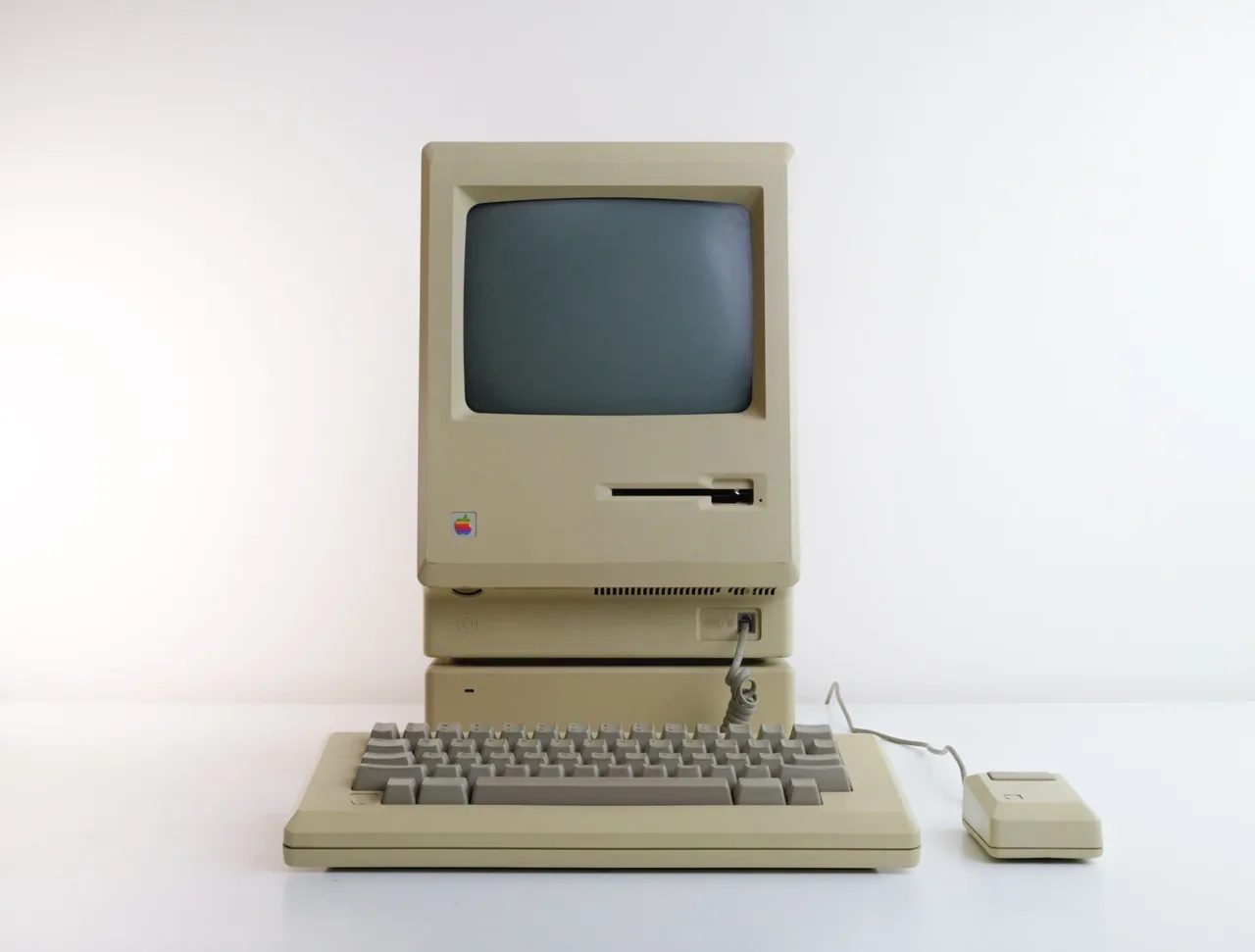
The 512K Mac, widely known as the Fat Mac, addressed the crippling memory limitations of the original 128K-byte Macintosh by quadrupling available RAM to 512K bytes1. This expansion was essential for practical use. Early Mac developers had to rely on the Lisa, later renamed the Macintosh XL, to write software for the Macintosh platform, a cumbersome and costly necessity1. The arrival of the 512K-byte model in "last September" relative to a July 1985 article changed the landscape: for the first time, developers could run capable toolchains directly on the machine1. AZTEC C68K, a notable development environment, explicitly supported the 512K Macintosh and hard disks, enabling native compilation and testing1114.
Apple maintained the 512K-byte Mac in its lineup even after introducing the Mac Plus, confirming its continued market presence as late as mid-19862. The company offered a formal upgrade path: owners could swap in an 800K-byte drive and new 128K-byte ROMs for $299, or install a 1-megabyte motherboard with SCSI port for $5992. Those upgrading from a 128K Mac, or who had used a third-party memory upgrade, paid $799 for the same motherboard, a $200 premium over the base upgrade cost12. A rebate program applied to those who purchased or upgraded a Mac between mid-November and mid-January of an unspecified year, suggesting a targeted customer goodwill initiative12.
The 512K Mac’s software advantage was real and measurable. Multiple software titles, including those from Origin Systems, explicitly required 512K memory to run57. A RAM disk utility was available specifically for the 512K model, underscoring its role as a platform capable of handling memory-intensive operations11. Notably, the Mac Plus launched without the bundled MacWrite and MacPaint software that had been included free with the 512K Mac, a cost-saving move that Apple offset by selling the applications separately for $125 each8.
By April 1986, Apple had released the Mac 512K Enhanced, also referred to as the 512K Mac Enhanced or Mac 512K-E23. This model featured an 800K-byte disk drive and 128K-byte ROMs, aligning some of its hardware more closely with the Mac Plus while retaining the 512K memory footprint3. BYTE magazine counted it as the fourth or fifth Macintosh variant in just over two years, reflecting Apple’s rapid iteration during the platform’s formative phase3.
The original 512K Mac launched at $27951, but its list price was later reduced by $500 to $19992. Since the street price had been less than \$1900 for some time by March 1987, it likely dipped below that threshold earlier2. BYTE observed that "a 512K-byte Mac with two drives is both amazing and powerful," and with a hard disk, "even better"1. The publication dismissed the 128K model outright: "You shouldn't even consider buying a 128K-byte machine; it just isn't worth the aggravation"1. The 512K model’s expanded capabilities reportedly posed a competitive threat to the Amiga, owing to its software maturity2.
Despite its significance, the 512K Mac was not without limitations. The Mac Plus outperformed it due to both increased RAM and optimized software routines, making the older model feel sluggish in comparison8. The surviving documentation is silent on the CPU, display, sound, and I/O specifications, leaving key technical dimensions undocumented in primary sources. Nevertheless, the 512K Mac occupies a central place in the Macintosh lineage: not as the first, but as the first that could genuinely be used for sustained, productive work.
References
- 1985 07 BYTE 10-07 Computers and Space (1985)
- Byte Magazine Atari Articles
- 1986 08 BYTE 11-08 Object-Oriented Languages (1986)
- Origin Product Catalog (1990) (1990)
- Origin Product Catalog (1989) (1989)
- 1986 06 BYTE 11-06 Computers and Music (1986)
- Guide to Vintage Macintosh Software 1984-87 (1984)
- 1985 05 Dr Dobbs Journal (1985)
- 1986 04 BYTE 11-04 Number Crunching (1986)
- 1985 05 Dr Dobbs Journal (1985)