IBM PC 5150
The IBM Personal Computer Model 5150, released in 1983, was IBM’s first mass-market personal computer and established a hardware architecture that outlived its manufacturer’s control.
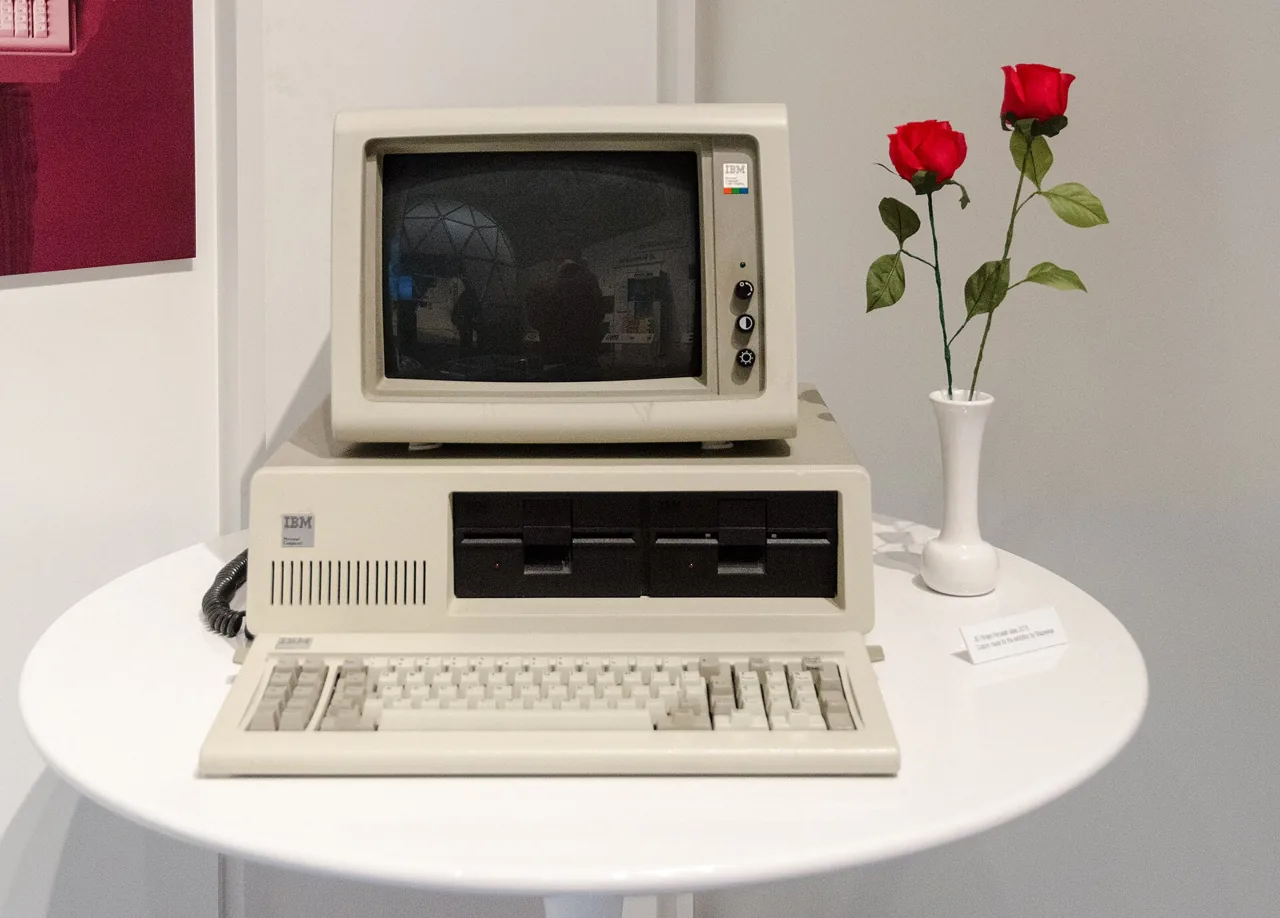
Despite its late arrival in a market already活跃 with Apple, Tandy, and Commodore machines, the 5150 carried the weight of IBM’s institutional credibility12. It was not a clean-sheet design. Its engineering lineage traced directly to the IBM System/23 DataMaster, an obscure 1980 office system123489. Many of the engineers assigned to the PC project had previously worked on the DataMaster, and carried forward design sensibilities, if not actual circuitry, from that earlier machine2389. Yet the 5150 shared no technical kinship with IBM’s earlier 5100-series portable computers, a fact IBM was careful to document123489.
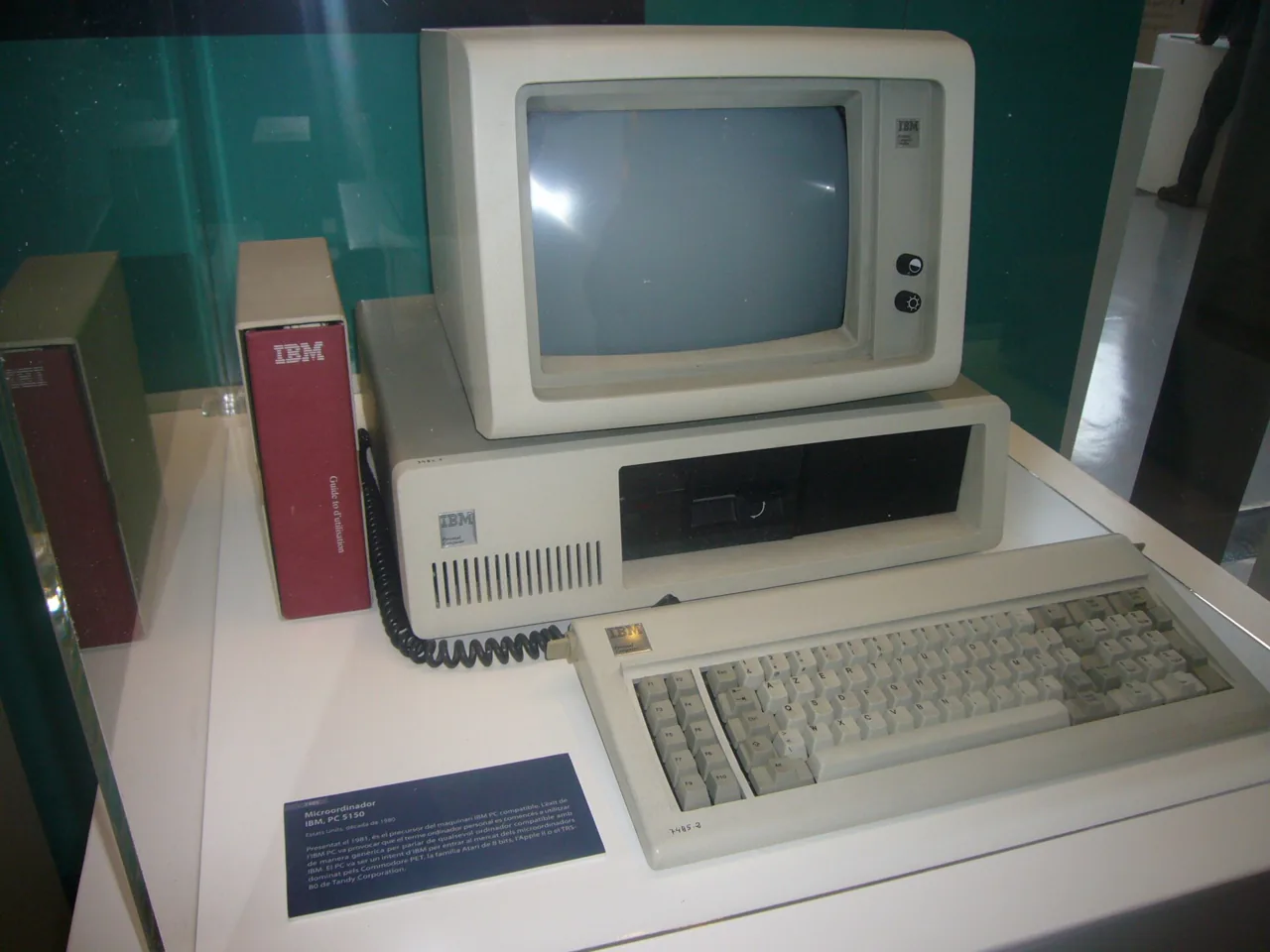
Two configurations dominated its lifespan: the Model 166 with 256K RAM and a single 360K floppy drive, and the Model 176 with the same RAM and two drives12345. Though later models could be expanded, the base machine shipped with 256 kilobytes of dynamic RAM as standard12345. The motherboard came in two types: PC Type 1 for lower-memory configurations and PC Type 2 for 256K systems, the latter used in Models 166 and 1765. The Intel 8088 microprocessor, a 16-bit chip with an 8-bit external bus, served as the core processing unit237. A socket for the 8087 math coprocessor was provided, though no factory-installed hard disk was ever offered. Storage relied entirely on floppy drives, either one or two 360K units1234.
The system included 40Kb of ROM containing both a built-in BASIC interpreter and ROM-based diagnostics that executed on power-up (POST)12347. Expansion was handled via five I/O slots and a 4-channel DMA controller12347. Power was supplied by a 63.5-watt unit, modest even for the era1234.
Keyboard
The detached keyboard featured 83 keys and connected via a 6-foot cable5. It measured 20 inches long, 8 inches deep, and 2.5 inches high, weighing 6 pounds (2.7 kg)5. Its substantial heft and industrial design signaled IBM’s seriousness, though the key travel and layout would later draw criticism as the standard evolved.
Obsolescence and Withdrawal
Although available in various configurations before March 1983, only the Model 166 and 176 remained in production after that date1234. The 1985 introduction of the IBM PC XT, offering greater storage and performance at nearly the same price, rendered the 5150 a questionable purchase3. IBM’s lack of a follow-up model with an enhanced keyboard, a move consistent with its treatment of other product lines, signaled the end of development3. The company officially withdrew the PC from the market on April 2, 1987, after nearly six years of minimal changes3.
Market Realities
In the UK, the 5150 carried an original price of £4,995 in 198310. Journalist Dick Pountain recalled spending an additional £1,500 on a 5MB external hard drive (more than a quarter of the system’s cost) for his 5150, underscoring the machine’s expandability and the era’s punishing storage economics10.
| Processor | Intel 8088 microprocessor |
| RAM | 256 kilobytes (standard), |
| Storage | One or two 360K floppy drives; no factory-installed hard disk |
| ROM | 40Kb containing BASIC interpreter and POST diagnostics |
| Expansion | Five I/O slots, 8087 coprocessor socket, 4-channel DMA |
| Power Supply | 63.5 watts |
| Keyboard | 83-key, 6-foot cable, 20 in × 8 in × 2.5 in, 6 lbs |
| Models | Model 166 (256K, one drive), Model 176 (256K, two drives) |
| Release Year | 1983 |
| Discontinuation | April 2, 1987 |
| Price | £4,995 (UK, 1983) |
References
- URP 4th edition
- URP 8th edition
- URP 10th edition
- URP 6th edition
- URP 1st edition
- SA38-0037-00 Personal Computer Family Service Information Manual Jul89
- URP 12th edition
- URP 11th edition
- Computers that made Britain v1